Introduction to a sober life
Exploring plans for sobriety is a big step, whether you are “sober curious” or know you’re ready to stop drinking after years of alcohol use. You may wonder, is it worth going sober, and what are the health benefits of sobriety? The short answer is, yes: many benefits show up early, and the long-term benefits continue to grow. From better sleep and more energy to stronger relationships and improved mental clarity, sobriety can create positive changes that touch every part of life.
At Sophros Recovery in Jacksonville, we help our clients build a steady path forward to enjoying the benefits of sobriety. Here we examine some of the physical, mental, social, relational, and financial health benefits of not drinking alcohol, and how to take the first step toward an alcohol-free life.
What happens to your body as you stop drinking
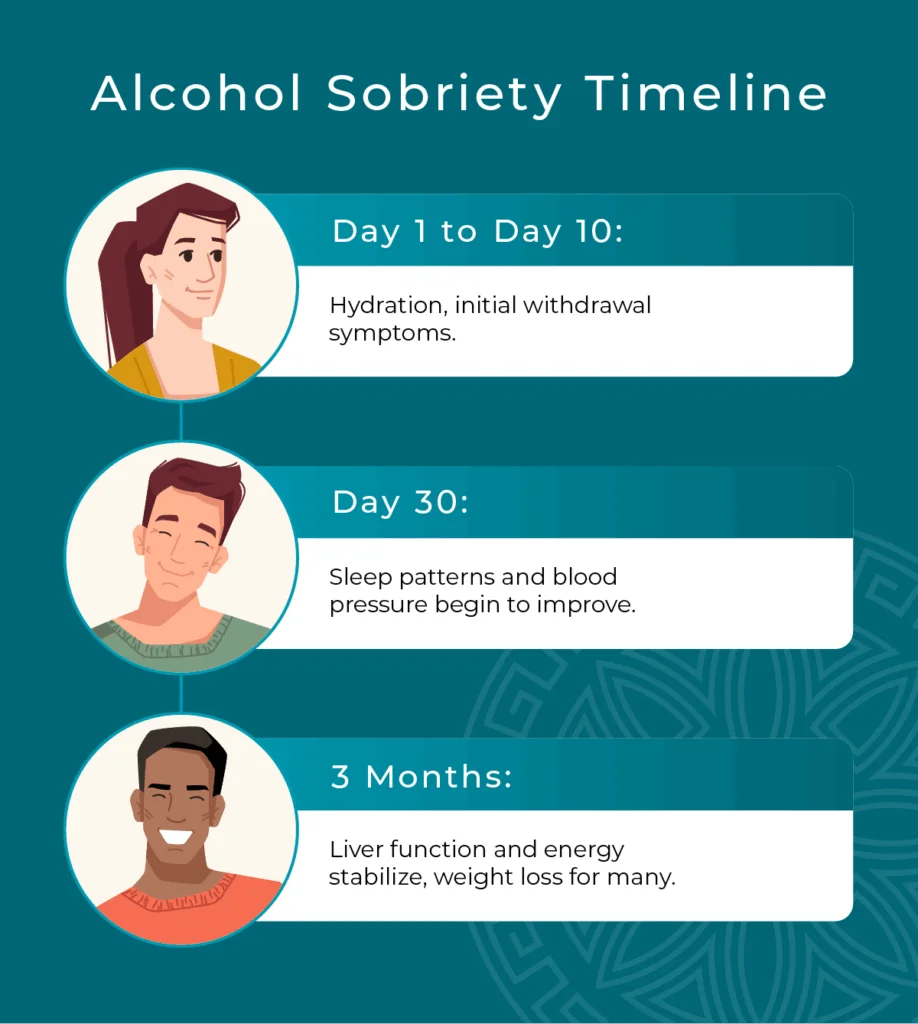
Many people notice benefits beginning in the first few weeks after giving up alcohol.
- 10 days without alcohol: Short term benefits can include better hydration, lighter mornings, and subtle mood stabilization. Some people still feel alcohol cravings or mild withdrawal symptoms, which our team helps you manage safely.
- First 30 days of sobriety: Sleep patterns begin to normalize, energy improves, and many people notice early weight loss. Blood pressure readings may begin to trend down if alcohol was a driver.
- 3 months without alcohol: Many patients report sustained better sleep and increased energy, improved fitness routines, and noticeable quality improvement in mental focus and clarity.
Physical health improvements
Short and long-term physical benefits include:
- Blood pressure and heart health: Heavy drinking can raise blood pressure and cause heart disease. Avoiding alcohol consumption helps lower blood pressure and reduce risks of heart complications.
- Liver health: The liver works hard to process alcohol. Giving up alcohol allows the liver to begin repairing, lowering the chance of permanent liver damage over time.
- Sleep and energy: Alcohol can disrupt deep sleep and REM cycles, which causes next-day fatigue. Eliminating alcohol can support deep sleep and improved sleep quality.
- Weight and metabolism: Alcohol contains empty calories and can drive weight gain, especially with late night snacks or sugary mixers. Removing alcohol from the picture often reduces overall calorie intake, which can support weight loss. Some clients also find it easier to lose weight once evening cravings fade.
- Immune and digestive system: Heavy alcohol use can weaken the immune system and irritate the digestive system. Quitting alcohol can help your body defend against illness and reduce digestive discomfort.
Mental health and clarity
Alcohol can become a coping mechanism for stress, anxiety, or low mood, yet it often has the opposite effect over time. If you live with mental health issues, drinking alcohol can worsen symptoms and create a vicious cycle.
Does sobriety rewire your brain? Brain pathways can adapt with practice. By avoiding alcohol and reinforcing healthier coping behaviors, you strengthen circuits for reward, motivation, and impulse control. Over time, many clients describe improved clarity, steadier mood, and better overall mental health.
Overcoming addiction
Alcohol addiction is treatable. Effective addiction treatment focuses on emotional regulation skills, relapse prevention education, and practical tools for daily stress:
- Therapy and skills training: Individual outpatient therapy builds coping skills for triggers and stress. Clients practice grounding techniques and cognitive strategies that support mental well being.
- Mindfulness practice: Mindfulness can improve mental clarity and reduce reactivity. People often notice fewer ruminative thoughts and more balanced mood after weeks of consistent practice.
- Relapse prevention groups: Group sessions provide peer accountability and real world strategies for high-risk moments, such as a work happy hour or evening drink cravings.
- Co-occurring care: If alcohol use coexists with a mental health disorder, coordinated care can help you address both safely.
If you are navigating alcohol use disorder, our clinicians work with you to set goals, manage withdrawal symptoms safely, and build a plan to stay sober.
Other benefits of sobriety
The benefits of sobriety reach far beyond physical health. One of the most meaningful parts of our work is seeing relationships mend, careers stabilize, and self-confidence return. Common sobriety benefits our clients share include:
- Mental health benefits, such as calmer mood and less anxiety
- Improved cognition for decisions, memory, and focus
- Positive impact on personal relationships and family members
- Ability to save money after removing alcohol from weekly budgets
- More time for hobbies, exercise, and community life
Many clients say the best thing about being sober is presence. Being fully present for your life, your well-being, and your goals can be the most powerful change.
Maintaining a healthy lifestyle
We help our clients build daily structure, self care routines, and relapse resistant habits, focusing on life skills that make staying sober more natural over time. These include:
- Structure: Plan meals, movement, work blocks, and wind down routines that do not revolve around alcohol consumption.
- Trigger replacement: If one drink used to signal relaxation, swap in cues like tea, a short walk, a favorite podcast, or a mindfulness exercise.
- Sleep hygiene: Protect better sleep with a set bedtime, low light in the evening, and consistent wake times.
- Community: Many clients find encouragement, support, and friendship through local recovery support groups or joining groups around shared interests.
- Nature: Jacksonville offers parks, trails, and wellness activities that help make sober living feel active and connected.
Whether you are new to the area or have lived here for years, there are many alcohol-free ways to enjoy evenings and weekends.
Relationships and sobriety
Many people share that alcohol strained family trust or communication. Rebuilding those connections becomes part of the healing process. In therapy, we practice communication skills, boundary setting, and accountability steps that improve relationships over time.
Career and finances
Outpatient care allows you to start healing without stepping away from work. You’ll also get help planning for challenging situations, such as client dinners or holiday parties, so quitting drinking does not interrupt your professional responsibilities. Clients often report clearer focus at work, fewer sick days, and steadier performance after they stop drinking. Financially speaking, removing alcohol can help you save money each week, and many people see spending drop when they stop drinking.
Common challenges
Early recovery can include alcohol cravings, mood swings, or social pressure. We help clients prepare for triggers, social pressure, and early recovery challenges through counseling and relapse planning sessions. We cover:
- Recognizing internal and external triggers
- Creating scripts for social offers to drink
- Planning for travel, holidays, and the evening drink temptation
- Managing withdrawal symptoms with medical partners when appropriate
These plans provide added protection to maintain long-term recovery.
Staying sober for a happier, healthier life
Choosing sobriety can be a turning point. At Sophros Recovery, we believe sobriety is not just about quitting drinking alcohol; it is about building a life you genuinely want to stay present for. If you are in the Jacksonville area and are considering giving up alcohol or ready to restart treatment after a lapse, we are here to help you plan, practice, and persevere. Our team guides you step by step, from insurance verification to your first supportive session through our aftercare program, for real, lasting recovery.